The life of St Lawrence of Rome
When Sixtus and several other clergy were seized and put to death in the persecution ordered by the emperor Valerian, Lawrence was left briefly at large, and the city prefect demanded that he hand over the treasures of the Church. Lawrence spent the days he was given gathering together the poor, the sick, and the suffering under the Church's care, and presented them to the prefect as its true wealth.
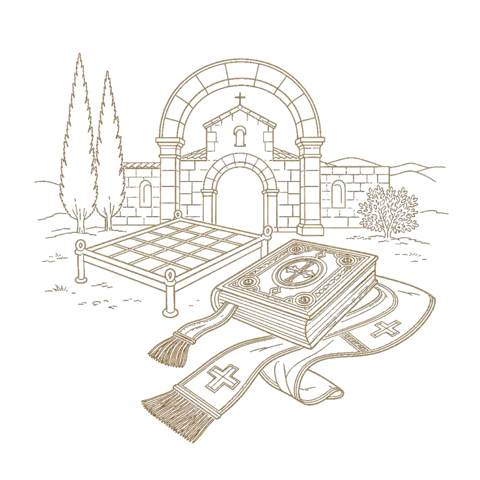
Enraged, the prefect had him arrested and, according to a tradition already old by the fourth century, put to death by fire on a heated grate. Lawrence died on the tenth of August in the year 258, four days after Sixtus, and was buried on the Via Tiburtina, where a church was later raised over his grave. Some modern scholars have questioned whether the manner of his death by slow burning is historically accurate, given how such executions were usually carried out swiftly by the sword, but neither his martyrdom in that persecution nor the antiquity of his veneration is in any doubt.