St Eusebius of Samosata

Hieromartyr Eusebius, Bishop of Samosata

Eusebius held the see of Samosata and would not bend to the Arian party that controlled the empire in his day. When the emperor demanded he hand over a council's ruling that named an Orthodox man to the see of Antioch, Eusebius held out both his hands and told the messenger they could cut them off before he would give it up.

Feast day

Coming feasts: Tuesday, June 22, 2027

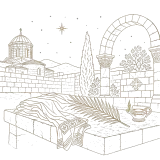
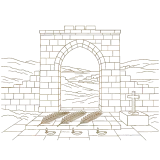
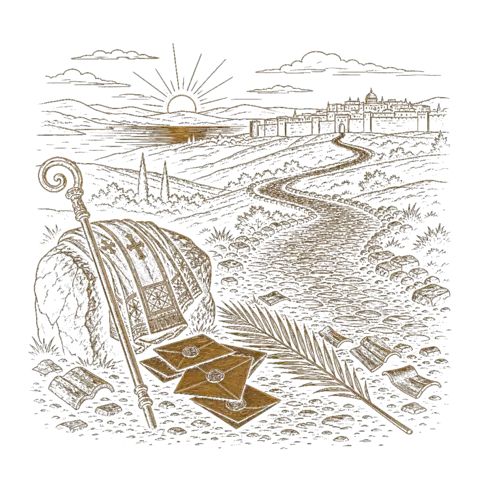
Orthros artwork for the life of St Eusebius of Samosata
Orthros artwork

The life of St Eusebius of Samosata

For that stubbornness he was driven from his see more than once and finally sent into exile in Thrace, going out from his own city alone and by night so that his people would not riot on his account.

He came home years later, when a new emperor recalled the bishops the Arians had banished, and spent the rest of his life setting Orthodox men in the churches the heretics had taken over. On one such errand, going to install a bishop in a town still loyal to the old heresy, a woman threw a roof tile down on him from above and it struck him a mortal blow. As he lay dying he asked only for a little wine, and made those around him promise they would not touch her for it. His own people carried his body home to Samosata and buried him there.

Also commemorated on June 22

Learn about similar saints

Questions

When is the feast day of St Eusebius of Samosata?
The Orthodox Church commemorates St Eusebius of Samosata on June 22 on the New Calendar and July 5 on the Old Calendar.
Who else is commemorated on that day?
The Church also remembers St Alban, First Martyr of Great Britain.
When is the feast of St Eusebius of Samosata in 2027?
In 2027, on the New Calendar, it falls on Tuesday, June 22.

In Orthros

On the feast day Orthros sets the life of St Eusebius of Samosata before you, beside the day's fast and readings, free to read.

No trackers. No ads. No data sold. Ever.

help@orthros.app

Available for iPhone, iPad, Mac, Apple Watch and CarPlay

Orthros · an Orthodox prayer companion, made by Orthodox Christians, for everyone. Not an official work of any Church body.

Scene & ornament artwork © Orthros, its own drawn work, not historical icons. Source and license details identify received texts and editions. Orthros editorial teaching is labeled separately.