The life of St Polyeuctus of Constantinople
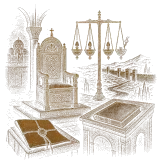
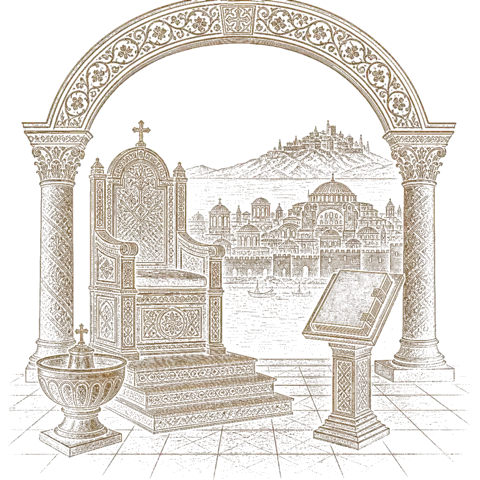
In 956 the Emperor Constantine VII raised him to the patriarchal throne of Constantinople, succeeding a patriarch who had been installed for political reasons rather than fitness for the office.
Though he owed his elevation to the emperor, Polyeuctus did not simply serve imperial convenience. He worked to restore the honor of an earlier patriarch who had been pushed from office for opposing a marriage within the imperial family, and he was remembered by his contemporaries as a preacher of such power that they called him a second Chrysostom. Historians disagree on the exact year, either 946 or 957, but during his patriarchate he received the Russian princess Olga into the Church at her baptism in Constantinople, and he is remembered to have spoken a blessing over her that looked forward to her people's own turning toward the faith she had just received. Later, when the general John Tzimiskes sought the throne after a hand in the killing of the Emperor Nikephoros II Phokas, Polyeuctus refused to crown him until he had done public penance and set aside the woman he had intended to marry, holding the emperor himself to account before the Church. Great monasteries rose on Mount Athos during his years as patriarch, which lasted until his repose in 970.