The life of St Polyeuctus of Melitene in Armenia
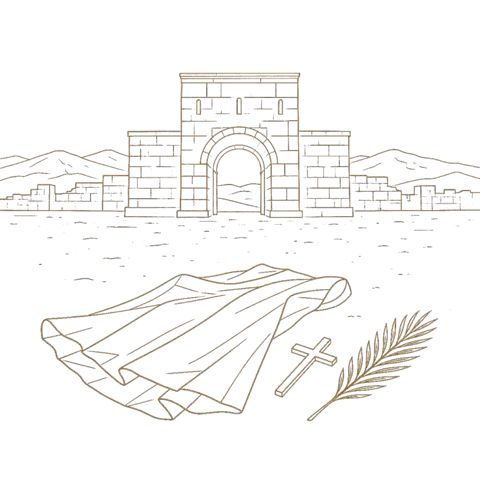
When an imperial edict ordered persecution of Christians, Nearchus grieved that he would soon lose his friend to death without having won him to Christ, and Polyeuctus, moved by this, described a dream in which the Lord had stripped him of his soiled cloak and clothed him instead in radiant garments. Declaring himself ready to serve Christ, he went at once to the city square, tore down the imperial edict, and threw down and trampled a procession of pagan idols he encountered there.
His own father-in-law, the magistrate responsible for enforcing the edict, condemned him to death with sorrow; neither his wife's tears nor his father-in-law's grief could turn him from his resolve, and he was beheaded. Once persecution ended under Constantine, a church was built in his honor at Melitene, and his memory as the city's first martyr endured for centuries; his story later inspired the French dramatist Corneille's tragedy Polyeucte. Modern scholars judge that the written account of his life was composed considerably after his death, though his cult is among the oldest attested in the region.