Hermylus and Stratonicus

Martyrs Hermylus and Stratonicus

From the Prologue of Ochrid

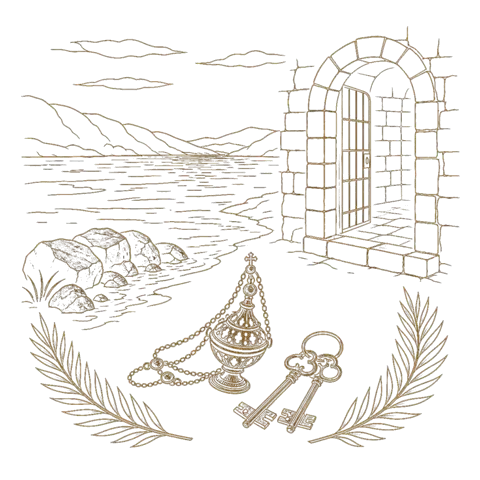
Emperor Licinius raised a great persecution against Christians. Saint Hermylus, a Christian and a deacon at a certain church, was seized and brought to trial. When they told him that they were leading him to torture, he rejoiced greatly. In vain the emperor threatened him; Hermylus freely confessed his faith in Christ and replied to the emperor to all his threats: "The Lord is my helper, and I will not fear what man shall do unto me" (Psalm 117:6). After severe torments they threw Hermylus into the dungeon. And the jailer was Stratonicus, a secret Christian, who with all his heart sympathized with Hermylus's sufferings. When they also brought Stratonicus before the emperor as a Christian, the emperor decreed that both should be drowned in the Danube. Then they bound Hermylus and Stratonicus in one net and drowned them in the Danube. After three days the water cast their bodies onto the shore and Christians found them and buried them eighteen stadia from Belgrade. These glorious martyrs suffered for Christ and were glorified in the year 315.

Also commemorated on January 13

Learn about similar saints

Questions

When is the feast day of Hermylus and Stratonicus?
The Orthodox Church commemorates Hermylus and Stratonicus on January 13 on the New Calendar and January 26 on the Old Calendar.
Who else is commemorated on that day?
The Church also remembers St Hilary of Poitiers and St Maximos Kavsokalybites.
When is the feast of Hermylus and Stratonicus in 2027?
In 2027, on the New Calendar, it falls on Wednesday, January 13.

In Orthros

On the feast day Orthros sets the life of Hermylus and Stratonicus before you, beside the day's fast and readings, free to read.

No trackers. No ads. No data sold. Ever.

help@orthros.app

Available for iPhone, iPad, Mac, Apple Watch and CarPlay

Orthros · an Orthodox prayer companion, made by Orthodox Christians, for everyone. Not an official work of any Church body.

Scene & ornament artwork © Orthros, its own drawn work, not historical icons. Source and license details identify received texts and editions. Orthros editorial teaching is labeled separately.