The life of St Maron the Hermit of Syria
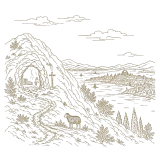
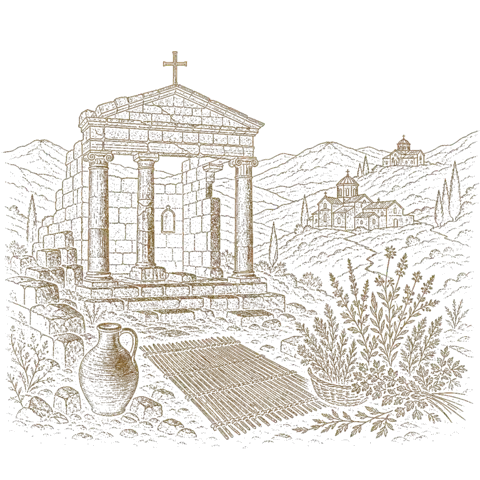
Rather than shutting himself into a cell or a cave, as most hermits of his era did, Maron took an old hilltop shrine once given over to pagan worship and made it instead the site of a life spent almost entirely in the open air, sheltered by no more than a small tent he seldom troubled to use even in the extremes of Syrian weather. Theodoret called this manner of asceticism, novel enough to need its own name, the philosophy of the open-air life, and it drew a following: disciples such as James the Hermit, Limnius, and the ascetic Domnina took up Maron's own pattern of prayer, vigil, and fasting under the sky, spreading a distinctive style of monasticism through the Cyrrhestic countryside. He was remembered as well for healing the sick and for a converted pagan temple near Antioch, turned by his own influence into a Christian church. Maron reposed before the year 423, and decades later his own disciples, with the emperor Marcian's support, built a monastery on the Orontes River in his honor, a foundation that grew in time into a wider community that carried his name and his memory forward into the centuries that followed.