The life of St Glyceria
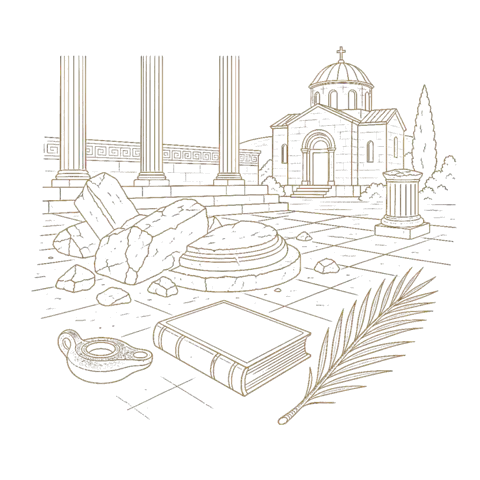
Coming to know Christians there, she was drawn to their faith and began attending church regularly, a practice that put her in direct conflict with the city's governor, Sabinus, once he received an imperial order requiring all citizens to venerate the pagan gods on a set day. When that day came, Glyceria went into the temple, marked her forehead with the sign of the cross, and prayed there before the assembled crowd, and tradition holds that the statue of Zeus crashed to the ground and shattered in that same hour. The enraged governor had the crowd pelt her with stones, though tradition holds that none of the stones actually struck her; she was then imprisoned, where a priest named Philokrates visited to strengthen her before her ordeal continued, and where those sent to torture her are said to have fallen to the ground in terror at the sudden appearance of an angel among them. Sabinus took her onward to Heraclea in Thrace for further trial, and there she was cast into a furnace that tradition says went out the moment she entered it. She was tortured further afterward, her scalp cut and her body laid upon sharp stones, and tradition holds that an angel appeared in her cell and healed those wounds. It was this healing, tradition says, that the jailer Laodicius witnessed, moving him to confess Christ himself and go to his own beheading for it. Glyceria was finally condemned to the wild beasts at Heraclea: tradition holds that the first lioness set loose against her lay down peaceably at her feet, and that a second beast then killed her. She died for her faith around the year 177.