From the Prologue of Ochrid
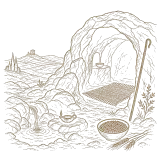
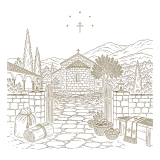
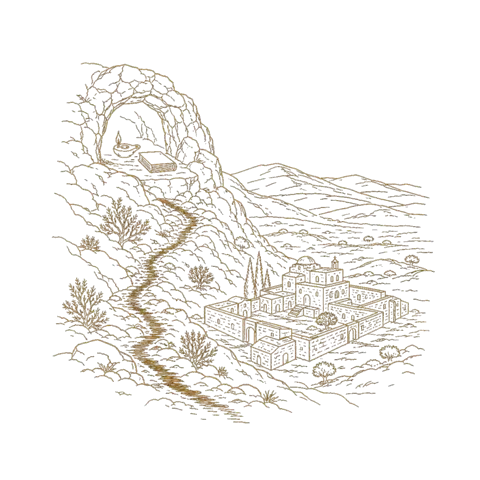
Born in the Armenian city of Melitene near the river Euphrates around the year 377, of noble and distinguished parents. An only son, born by the prayer of his mother Dionysia, who had a certain heavenly vision concerning Euthymius's birth. From his youth he practiced asceticism, first near his own city, and then, after he visited Jerusalem in the twenty-ninth year of his life, in the desert between Jerusalem and Jericho, called Pharan. He filled all his days and nights with prayer, inner contemplation of God, meditation and bodily labor. Around him gathered many disciples, of whom some were renowned saints, such as: Cyriacus the Hermit, Sabbas the Sanctified, Theoctistus and others. By God's gift he was a great wonderworker: he cast out demons, healed grave illnesses, brought forth water in the desert, multiplied bread, prophesied. He taught the monks industriousness, saying: "If you eat bread without your own labor, it means you are eating another's labor." When certain younger brethren wanted to fast more than the others, he forbade them this and ordered them to come to the common table, lest they become prideful from their excessive fasting. He also said that it is not good for a monk to move from place to place, for, he says: "A tree that is often transplanted does not bear fruit." Whoever wishes to do good can do it in the place where he is. About love he said: "What salt is to bread, that is love to the other virtues." During the first weeks of Great Lent he would withdraw into the desert and remain there in silence and contemplation of God until before Pascha. During his lifetime there was created near his cave an enormous lavra which for centuries afterward was full of monks like a beehive of bees. His last commandment was that hospitality be kept in the monastery, and that the monastery gate never be closed. He reposed in the ninety-seventh year of his life. At his funeral was also Patriarch Anastasius of Jerusalem. The entire day the patriarch waited while an enormous mass of people kissed the saint, and only in the evening did they manage to complete the funeral service. On the seventh day after his death Euthymius appeared to his disciple Dometianus, all radiant and joyful. Venerable Euthymius was truly a true son of light. He reposed in the year 473.