The life of St Ephraim of Antioch
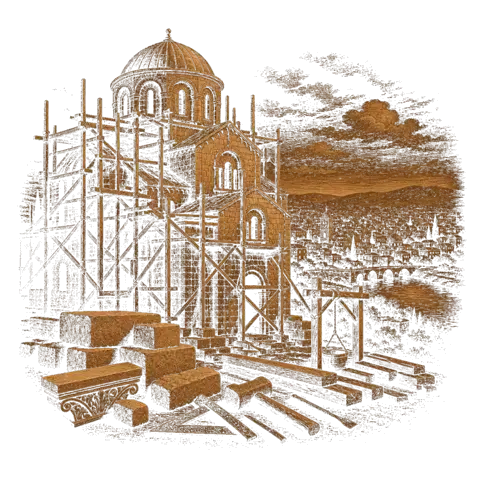
That career took an unexpected turn in 526, when a devastating earthquake leveled Antioch and killed its patriarch Euphrasius; the emperor sent Ephraim to oversee the ruined city's rebuilding, and a stone-cutter he found there, once himself a bishop, told him he would one day hold the patriarchal throne of Antioch. The following year, 527, that word proved true, and Ephraim, now a monk, was consecrated patriarch.
He governed a city still shaken by further earthquakes and gave much of his energy to defending the Council of Chalcedon against the non-Chalcedonian party that had grown strong across Syria, at times enforcing that defense harshly. He expelled non-Chalcedonian monks from their monasteries and imprisoned resisters, and in 537 he had a hand in the imprisonment of the Syrian bishop John of Tella, who died in custody at Antioch. Those years are remembered very differently within the Oriental Orthodox churches, which count several of the men Ephraim moved against among their own saints.
Near the end of his long service, Justinian pressed him to sign a condemnation of the Three Chapters, decrees of Chalcedon he had once defended, and Ephraim, after resisting for a time, ultimately gave way, writing afterward to Pope Vigilius that he had done so only under force.
He reposed in 545, remembered as a builder both of a shattered city and of a church whose defense, in his hands, bore hard on those who stood outside it.