The life of St Theophanes the Confessor
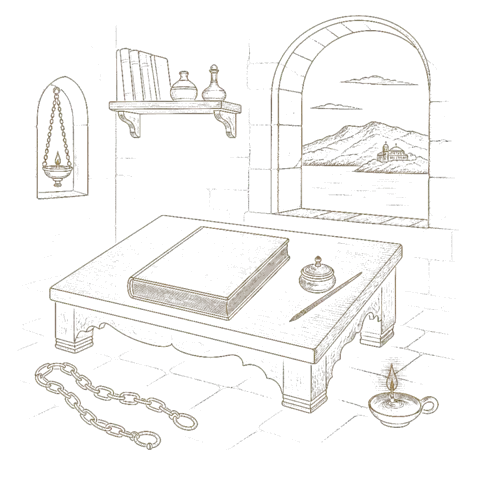
Leaving court life behind, he entered monastic life, founding first a monastery on an island in the Sea of Marmara and afterward the community he is chiefly remembered for, at Sigriane on the same coast, where he served as abbot and gained a reputation as a careful copyist of manuscripts. In 787 he attended the Second Council of Nicaea and signed its decree restoring the veneration of icons. When the iconoclast emperor Leo the Armenian revived the persecution decades later, Theophanes was summoned to the capital and pressed to renounce what the Council had affirmed; he refused, was imprisoned, and died in confinement after some three weeks, in 818, his monastery burned in the same persecution and later restored once the emperor was gone. He is remembered above all today for the Chronographia, a chronicle of the empire's history down to 813 drawing on many sources since lost, still counted among the most valuable surviving records of the seventh and eighth centuries.