The life of St John the Russian
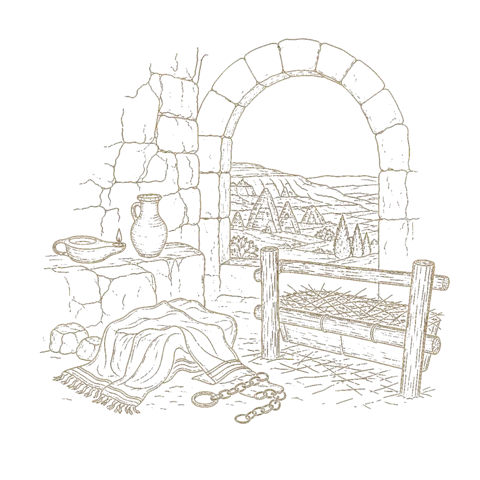
His captors tried by threats and beatings to make him accept Islam, but he would not, and in time his master's harshness softened into a grudging respect. John was set to keep the stable, and made his small corner there into a place of constant prayer, slipping out when he could to attend the vigils at the village church and to receive Communion.
Nearing death after years of this hidden, faithful life, he asked for a priest, who feared to bring the sacrament openly into a Muslim household and so hid it inside a hollowed apple to carry it to him. John received Communion and died soon after, in 1730. His master allowed him Christian burial, and years later his relics were found incorrupt, drawing pilgrims of every faith who came to venerate a slave who had kept nothing back from God. His relics rest today on the island of Euboea, carried there by his people when they were driven from their homeland.